How to Network in the Gaming Industry (Stop Fishing, Start Hunting)
As a veteran in the gaming industry who’s launched major titles and organized large-scale esports events, I can attest that connections are indeed everything. Let’s explore how you can harness the power of networking to supercharge your game development career.
Networking Tips for Gamers: Why Connections Matter More Than Skill
In the dynamic world of game development, your network can be the difference between a good career and a great one. Here’s why:
- Collaborative Nature of Game Development:
- Games are rarely made in isolation. They require diverse skills and perspectives
- Your network can provide access to talent, resources, and partnerships
- Rapid Industry Evolution:
- Staying informed about new technologies and trends is crucial
- Connections help you stay ahead of the curve and adapt quickly
- Career Opportunities:
- Many jobs in gaming are filled through referrals and word-of-mouth
- Your network can alert you to opportunities before they’re publicly announced
I remember a chance conversation at a game jam that led to a collaboration on an indie project. That project caught the eye of a major publisher, catapulting our careers to new heights. Such stories are common in our industry, where a single connection can open doors you didn’t even know existed.
Strategies for Effective Networking in the Gaming Sphere
Networking in the gaming industry has its unique flavor. Here’s how to do it effectively:
- Leverage Digital Platforms:
- Engage actively on LinkedIn, Twitter, and gaming-specific forums
- Share your work, insights, and celebrate others’ achievements
- Join online communities like Discord servers for game developers
- Maximize Gaming Events:
- Attend GDC, E3, and local game dev meetups
- Prepare an elevator pitch about your current projects
- Follow up with new contacts within 48 hours of meeting them
- Balance Online and Offline Networking:
- Use online platforms to initiate connections, but aim for face-to-face meetings
- Organize or participate in local game jams or hackathons
- Consider starting a podcast or YouTube channel to showcase your expertise
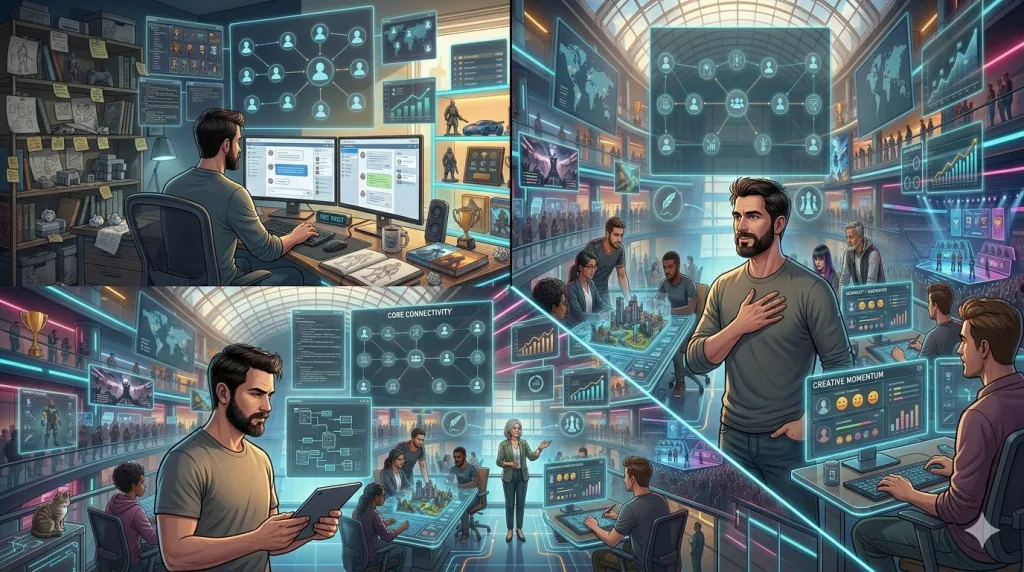
During my time at major studios, I’ve seen countless careers launched through smart networking. A memorable example is a junior developer who consistently shared insightful comments on industry leaders’ posts. His engagement led to a mentorship opportunity, which eventually resulted in a dream job at a top-tier studio.
A lot of this perspective comes from Chris’s story working in gaming, esports, and hiring at Riot Games.
Nurturing and Maintaining Your Gaming Network
Building connections is just the start. Maintaining them is where the real magic happens:
- Create a System for Regular Check-ins:
- Use a CRM tool or spreadsheet to track your contacts
- Set reminders for follow-ups and check-ins
- Personalize your outreach based on your last interaction
- Add Value Beyond Job Opportunities:
- Share interesting articles or resources relevant to their work
- Offer help or introductions without expecting immediate returns
- Celebrate their achievements publicly (retweets, LinkedIn congratulations)
- Build a Supportive Reputation:
- Be known for your reliability and positive attitude
- Offer constructive feedback when asked
- Be a connector – introduce people who could benefit from knowing each other
I’ve made it a habit to reach out to at least three industry contacts each week, even if it’s just a quick message to share an interesting game design article or congratulate them on a recent project launch. This consistent engagement has led to collaborative opportunities, speaking engagements, and even investment leads for projects.
Actionable Steps to Level Up Your Networking Game:
- Audit Your Current Network: Identify gaps in your connections across different areas of game development.
- Set Networking Goals: Aim to make 2-3 new meaningful connections each month.
- Create a Content Calendar: Plan regular posts or articles to showcase your expertise and engage with others.
- Schedule Networking Time: Block out time each week specifically for networking activities.
- Follow Up Consistently: Make it a rule to follow up within 48 hours of making a new connection.
- Offer Value First: Before asking for favors, think about how you can help others in your network.
- Attend Industry Events: Commit to attending at least one major gaming event and two local meetups annually.
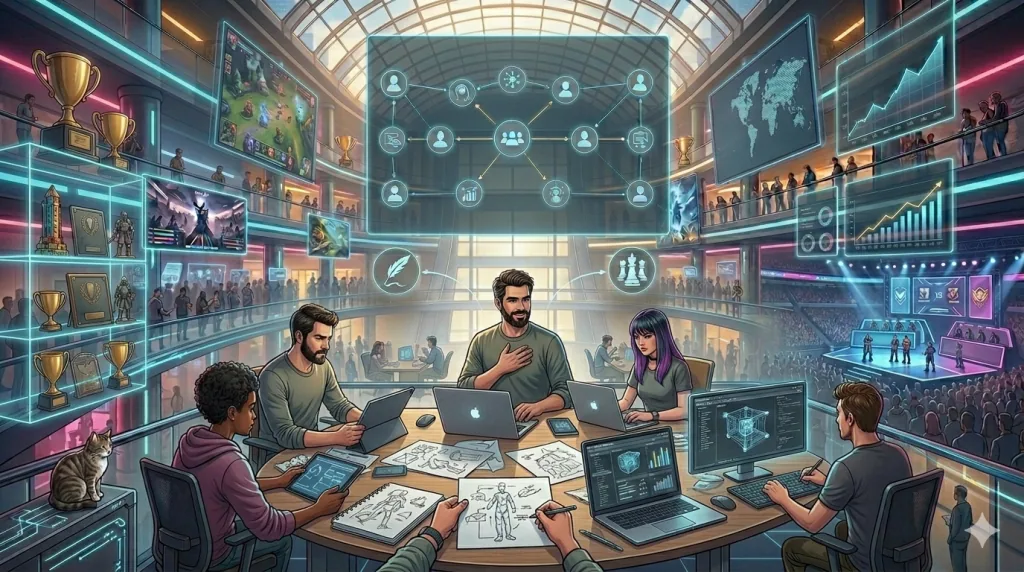
Remember, in the game of career development, your network is your most powerful ally. Each connection is a potential collaborator, mentor, or door opener. By consistently nurturing these relationships, you’re not just building a network. You’re creating a support system that can propel your career to new levels.
This is also a core principle inside the Unstoppable Guild gaming career coaching methodology.
As we navigate the ever-evolving landscape of game development, I challenge you to view networking not as a chore, but as an exciting part of your professional journey. Share in the comments: What’s one specific action you’re taking this week to strengthen your gaming industry network?
Let’s turn our individual quests into a multiplayer adventure. The next level of your career awaits, and it’s more exciting when you have a strong party by your side. Game on, and happy networking!
Read our complete guide: Networking in the Gaming Industry
Frequently Asked Questions
How do I network in the gaming industry if I’m introverted?
Networking doesn’t mean working a room at GDC. It means building genuine relationships one conversation at a time. Start online. Comment thoughtfully on LinkedIn posts from people at studios you admire. Share your own work and insights. Most meaningful gaming industry connections start with a single direct message, not a handshake at a party.
How do I reach out to someone at a game studio without being awkward?
Lead with value, not a request. Instead of “Can you refer me?” try commenting on their work, asking a specific question about their experience, or sharing something relevant to their role. Build the relationship before you need anything from it. By the time you need a referral, the relationship should already exist.
Do I need to attend GDC or other conferences to network in gaming?
Conferences help but they’re not required. Many successful gaming professionals have built strong networks entirely through LinkedIn, Discord communities, and targeted one-on-one outreach. The key is being proactive and consistent, not where you do it.